පළමුවන ලෝක යුද්ධය සහ 2 වන ලෝක සංග්රාමය අතර අන්තර් යුද සමය
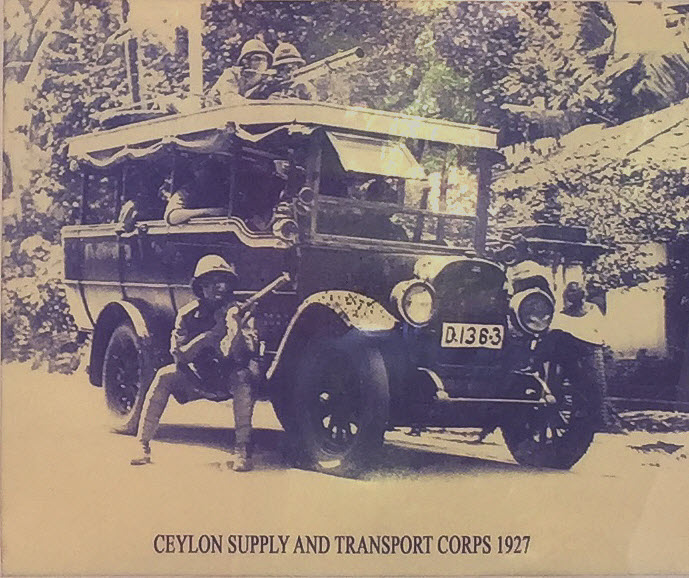
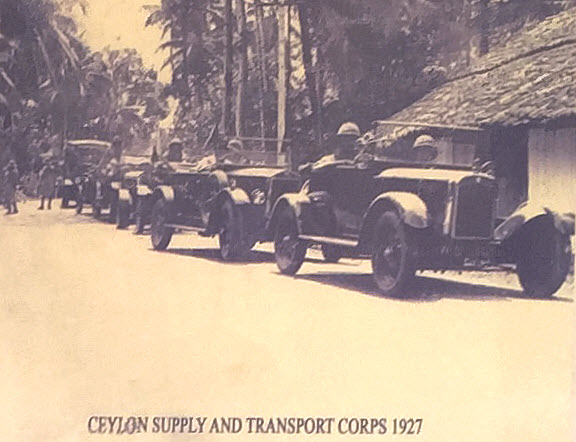
The inter-war period between WW1 and WW2 was a period of calm in Ceylon. Unlike in British India, there were no frontier wars or civil unrest. The Ceylon Defense Force (CDF), which was headed by a British Colonel till WW2, consisted of roughly 3000 personnel, almost all of whom were European, a number that was largely unchanged since the turn of the century. The head of the CDF was subordinate to a British Brigadier who held the title “Commanding General Ceylon.” The composition of the CDF during the inter-war period was largely European by design (with the exception of the Ceylon Light Infantry, Ceylon Garrison Artillery and Ceylon Medical Corps) with certain regiments not having any Ceylonese officer representation until a few years before WW2. Due to the affiliation between the RASC and the Ceylon Corps, there are regular dispatches about the Ceylon Corps that provide a glimpse of the Corps, its activities and personalities. Where available, the RASC Jounal articles are presented without commentary to provide a flavour of the colonial period.

1924: Camp of Instruction, Diyatalawa 22.06.24 to 29.06.24
THE JOURNAL OF THE ROYAL ARMY SERVICE CORPS 1924 JULY
The recently organised Ceylon Supply and Transport Corps, under the command of Major E. H· S. Childe-Thomas, attended a Camp of Instruction at Diyatalawa from June 22nd to 29th, and the Officers and Men underwent a most interesting course.
The arrangements were perfect in every detail and the programme of training was a varied one. Lorry driving was taught with such success that, although the time was so short, each member of the Corps passed a satisfactory test before the camp terminated. A Supply and Transport Scheme was set which brought into use all the various forms individuals would be expected to deal with on active service. In addition, instruction was afforded to butchers, bakers and issuers in their respective duties and when the scheme was reviewed it was agreed that much benefit had been derived by all ranks present.
C.S.M. W. W. McLeod, the regular R.A.S.C. Instructor has put in a lot of hard work to bring the Corps to a high standard of efficiency. Lectures were given by Major N. Wintle, R.A.S.C., and Capt. Robertson, D.S.O., Staff Officer, Ceylon Defence Force.
The Camp was visited by Colonel F. G. M. Rowley, C.B., C.M.G., D.S.O., Commandant, Ceylon Defence Force, on 29th June, who expressed himself well pleased with the last addition to his force.
Other News
No. S/107S5 Sergt. W. W. McLeod arrived from U.K. (Colchester) on 29th May, and has been posted to the Ceylon Defence Force as C.S.M. Instructor to the Ceylon S. & T. Corps.
1927: Changing Times
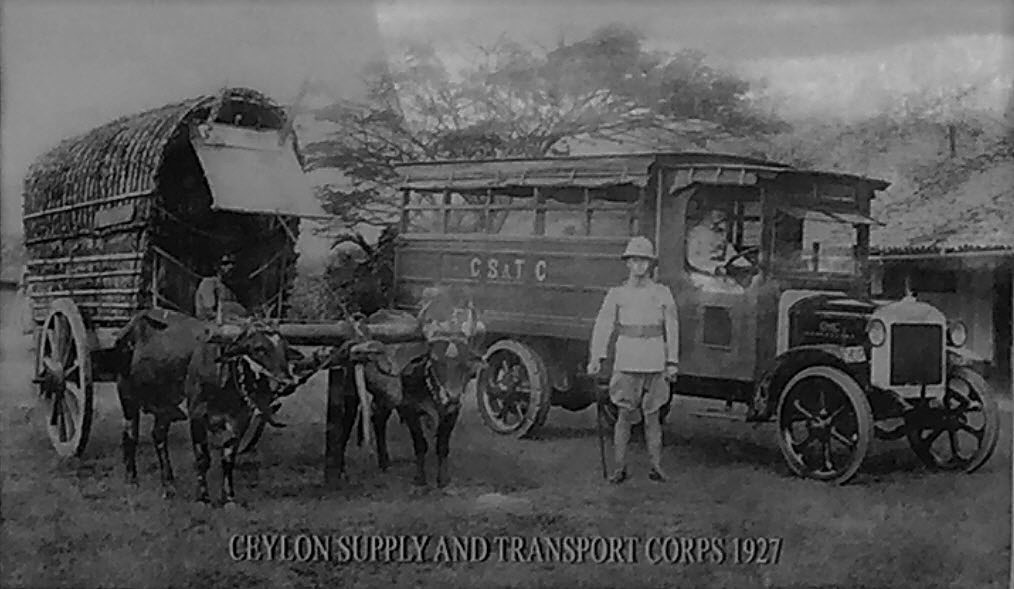
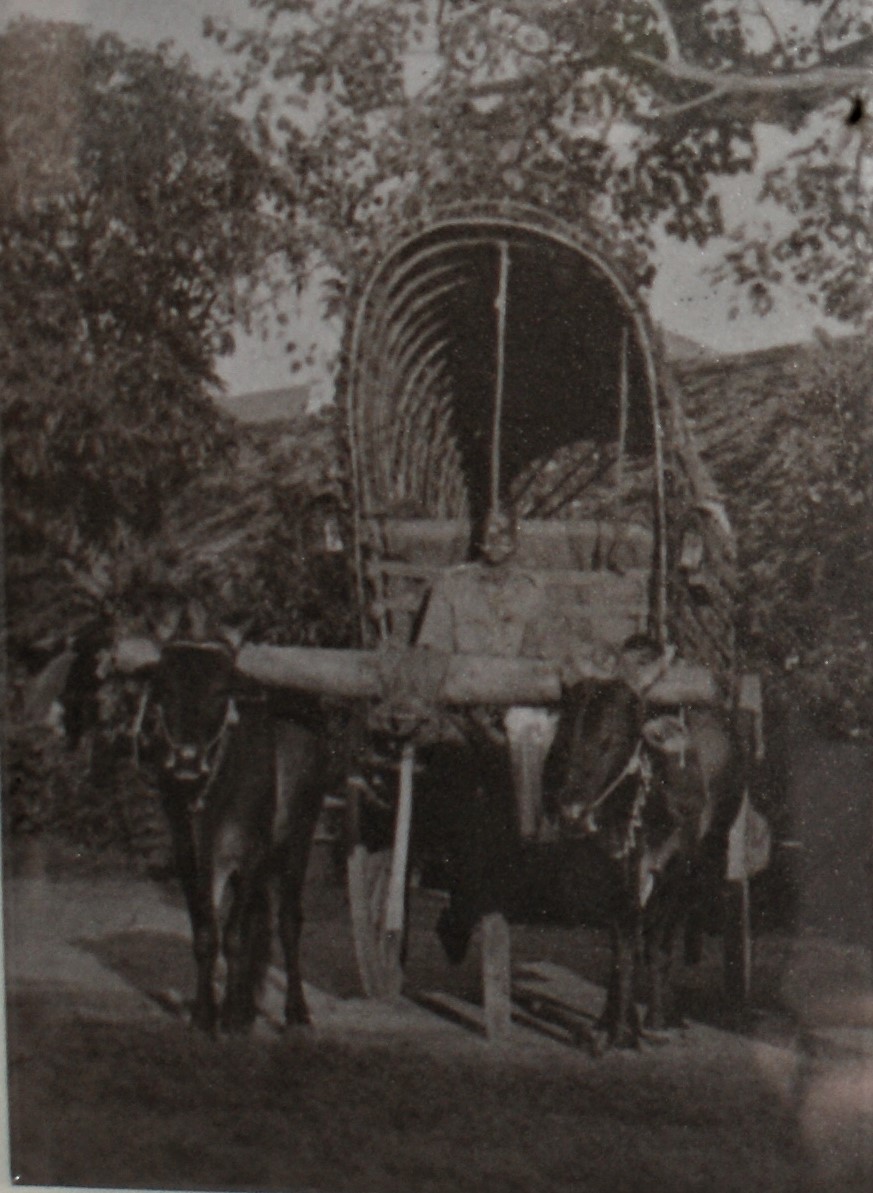
This iconic photograph, taken in 1927, highlights the dramatic technological changes taking place in the CS&T. In WW1, nearly 10% of the nearly 3 million British Army manpower deployed on the western front consisted of the Army Service Corps. Such a large manpower component was required because draught horses and mules provided a key mode of transporting supplies. The Indian army mule corps alone provided 75,000 animals in WW1. The Indian Army continues to use mules to this day in mountainous terrain inaccessible to mechanised transport. In the tropical environment of Sri Lanka and in parts of India which experience heavy rainfall, horses are unsuitable due to their susceptibility to disease. Furthermore, the population had no tradition of using these animals. For these reasons, the CS&T and the British Indian Army used bullock carts as a mode of transporting supplies until subsequently replaced by mechanised transportation.
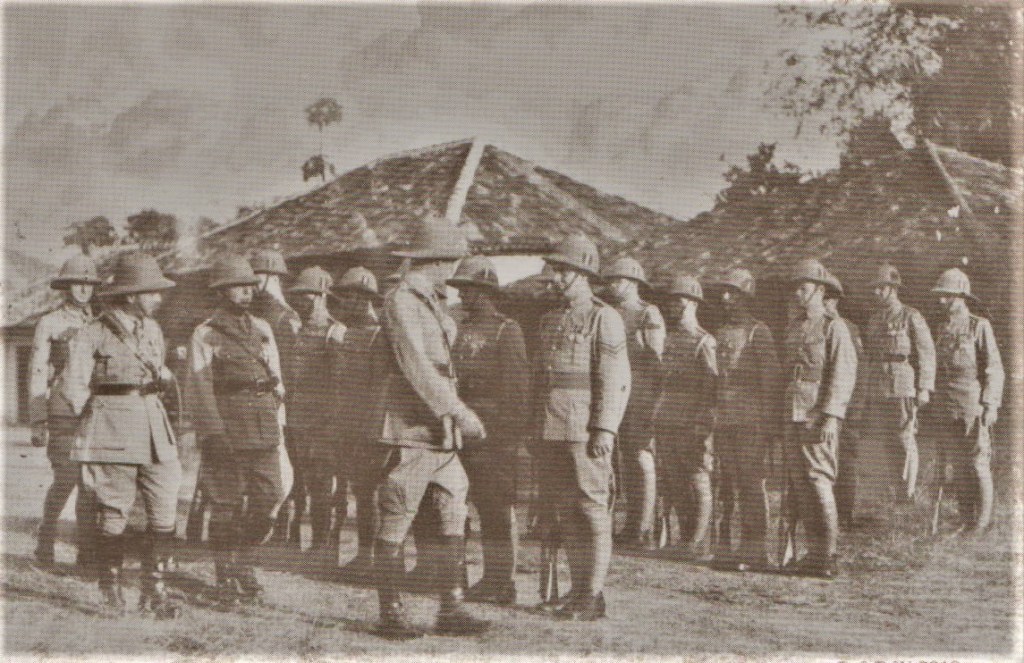
1929: Farewell To Regimental Quarter Master Sergeant Bloxham of Royal Army Service Corps
1930: The Alliance between the Ceylon Supply and Transport Corps and Royal Army Service Corps is Formed

Journal of the Royal Army Service Corps 1931 August
OUR LATEST ALLIANCE
“Army Order 46 of last year announced His Majesty the King’s approval of an alliance between the Ceylon Supply and Transport Corps and the Royal Army Service Corps.
This small but efficient Corps is our counterpart in the Ceylon Defence Force, and consists entirely of European personnel. It is a combatant corps, armed and equipped on practically the same lines as the infantry and engineer units of the Force, and is organized in two Mechanical Transport Companies.
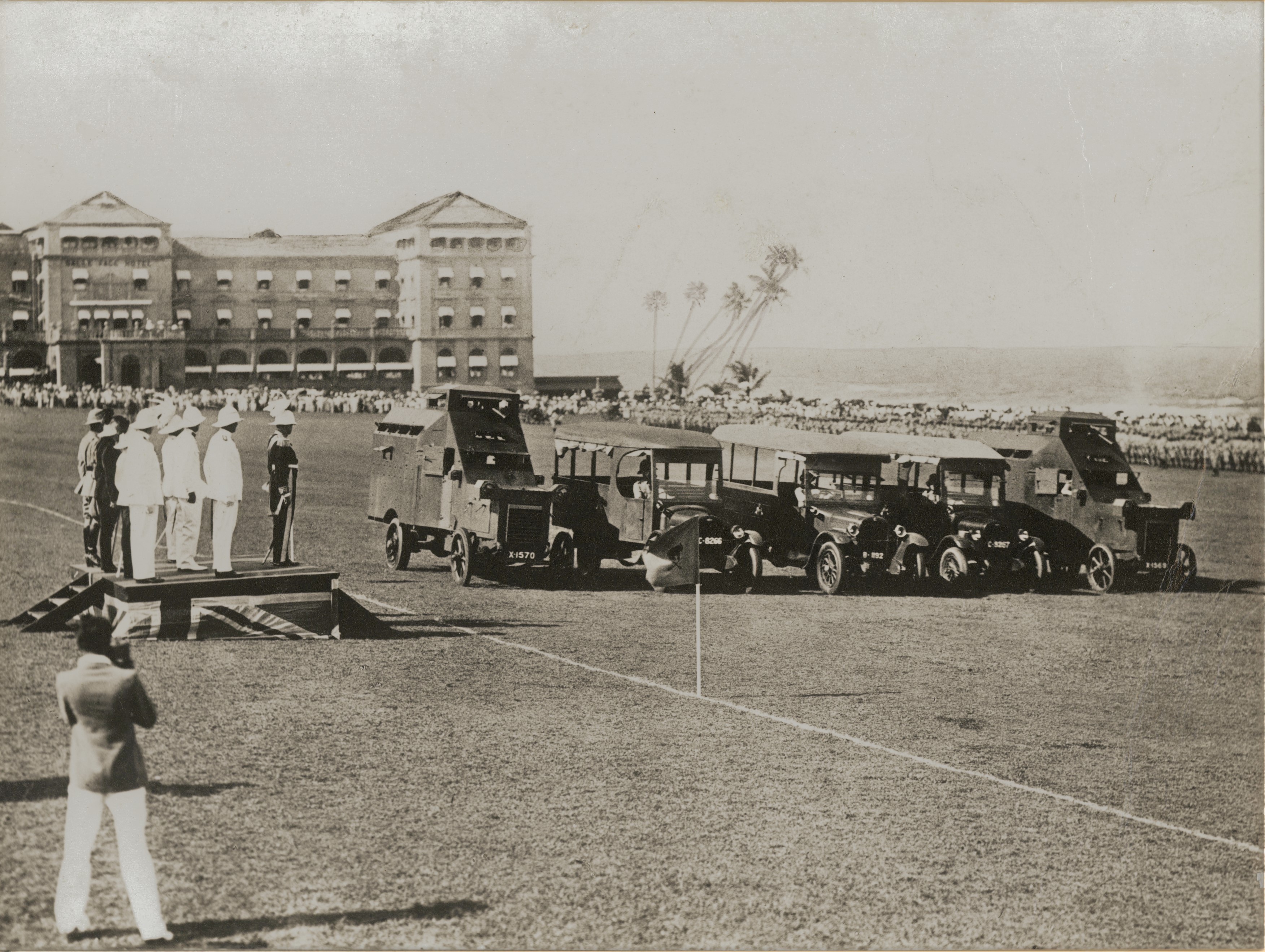
The former possesses three light lorries, two protected lorries and a full workshop equipment. The Corps is commanded by Lieut.-Col. G. O. Hunt, who saw considerable service with the R.A.S.C. in France during the Great War. He has the assistance of a Regular Corps officer as Adjutant, the appointment being at present held by Capt. G. W. Gill.
From all accounts, the Ceylon Supply and Transport Corps are keeping their end up in no uncertain manner. At a recent Open Rifle Meeting, the Ceylon Light Infantry Cup and Cargills Challenge Shield were captured in spite of the strong opposition of the whole of the Force. For so small a unit, this was a very praiseworthy effort. It should be explained that a considerable proportion of all ranks are ex-Service men and the fact that this small Corps is fully up to establishment with a waiting list of those wishing to join, is sufficient evidence of their keenness and general efficiency.”
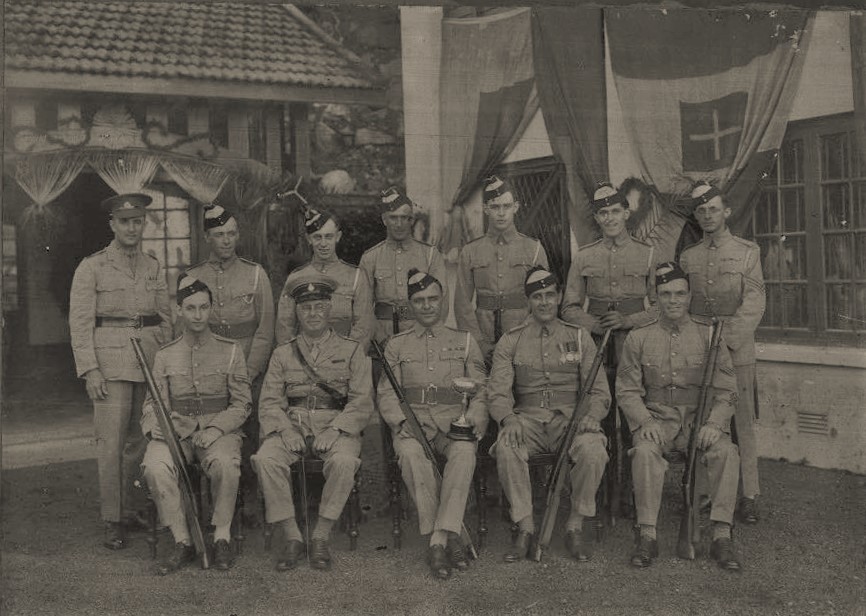
The CS&T Team that won the Ceylon Light Infantry Cup and Cargills Challenge Shield in 1931
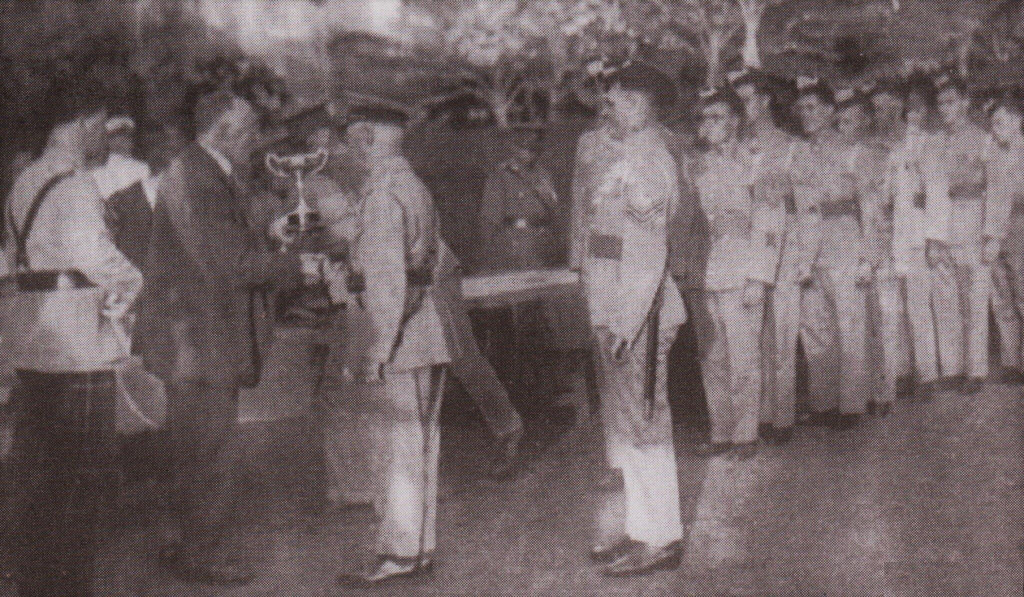
Governor Herbert Stanley presenting the shield to Lt Col GO Hunt and the CS&T Team
1931: King’s Birthday Parade

1932: The Duke of Connaught accepts the honorary colonelcy of the Ceylon Supply and Transport Corps
The acceptance of the Colonel Commandment position by Prince Arthur, Duke of Connaught and Strathearn, member of the House of Windsor and third son of Queen Victoria and Prince Albert, added to the prestige of the new regiment. The Duke of Connaught was a Field Marshal in the British Army, and once served as Governor General of Canada.

1933: The Ceylon Supply and Transport Corps re-designated the Ceylon Army Service Corps

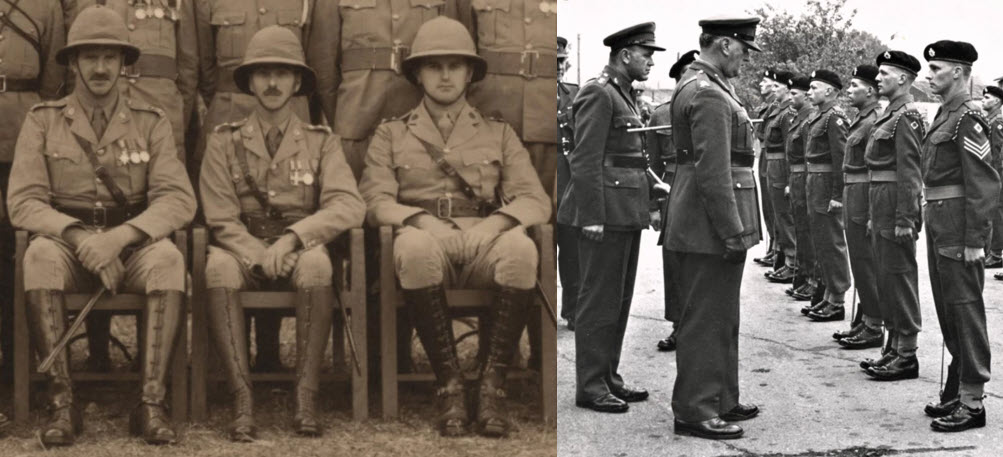
Left Photo: 1935 CASC Diyatalawa extreme left is Lieutenant-Colonel. C.J.D. Lanktree and extreme right is Lieutenant A.F.J. Elmslie (Adjutant); Right photo 1959 Maj Gen AFJ Elmslie inspecting a guard of honour in the UK. Maj Gen. Elmslie passed away in 2005 after a 40 year career in the British Army
1933: Weekend Drill in Kandy
Journal of The Royal Army Service Corps 1933 February
As we mentioned in our last issue of the JOURNAL, we have a very interesting announcement to make regarding the Ceylon Supply and Transport Corps. The title has now been changed to that of the “Ceylon Army Service Corps,” and this has been approved by the Governor. We shall be interested to hear fuller details as to badges and buttons in due course.
The Frontispiece shows some members of the Ceylon Army Service Corps who attended a week end drill in Kandy. Several familiar faces can be seen, including that of Lieut.-Col. J. C. D. Lanktree, who attended a War Course over here about two years ago prior to assuming command of this live and very efficient Corps. We now have a regular station correspondent in Ceylon, so hope to be kept informed of the activities of our Allied Corps.
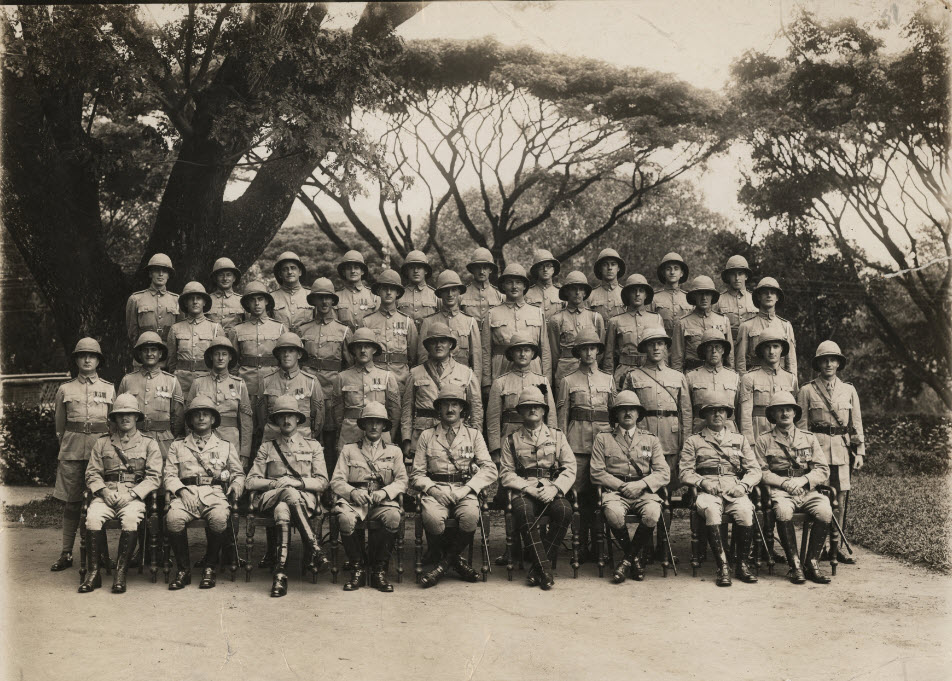
1934: Extract from CS&T Regimental Orders dated 8.8.1934
It is observed that saluting in many cases is not uniformly correct.
There is only one way of saluting with the hand.
This is laid down in Infantry Trg Vol 1, 1922, Section 88, Plate IX.
This method will be adhered to by all ranks.
1934: CDF Parade for Duke of Gloucster’s Ceylon Visit (Click to see video)
1934 Royal Army Service Corps Journal September
CEYLON ARMY SERVICE CORPS NOTES.
“We have to congratulate Lieuts. D. M. Baker, W. P. R. Webster, R. C. Walford and T. R. Robb on passing the qualifying examination for the rank of Captain, at Diyatalawa, on September 16th and 17th.
The Commanding Officer, Lieut.-Col. Lanktree and 2/Lieut. N. Kirk attended the Staff, C.O.’s and Signal Exercise held at Diyatalawa during the same weekend. The Corps motor-cyclists ably lead by Sergt. A. O. Mair, also did good work during the exercise.
With the reorganization of the Ceylon Defence Force on January 1st, 1934, and the consequent reorganization of the Corps, it is anticipated that we shall be offering further congratulations not only to the above, but to other ranks of the Corps who have done sterling work in the past.
We welcome Major W.D. Lawson, O.B.E. the new O.C., RASC to Ceylon. He is responsible for the technical direction of our work, and we look forward with interest to his arrival.”
1934: PROGRAMME OF WORK for 16.6.1934

1934: Governor’s Cup Rifle Meet
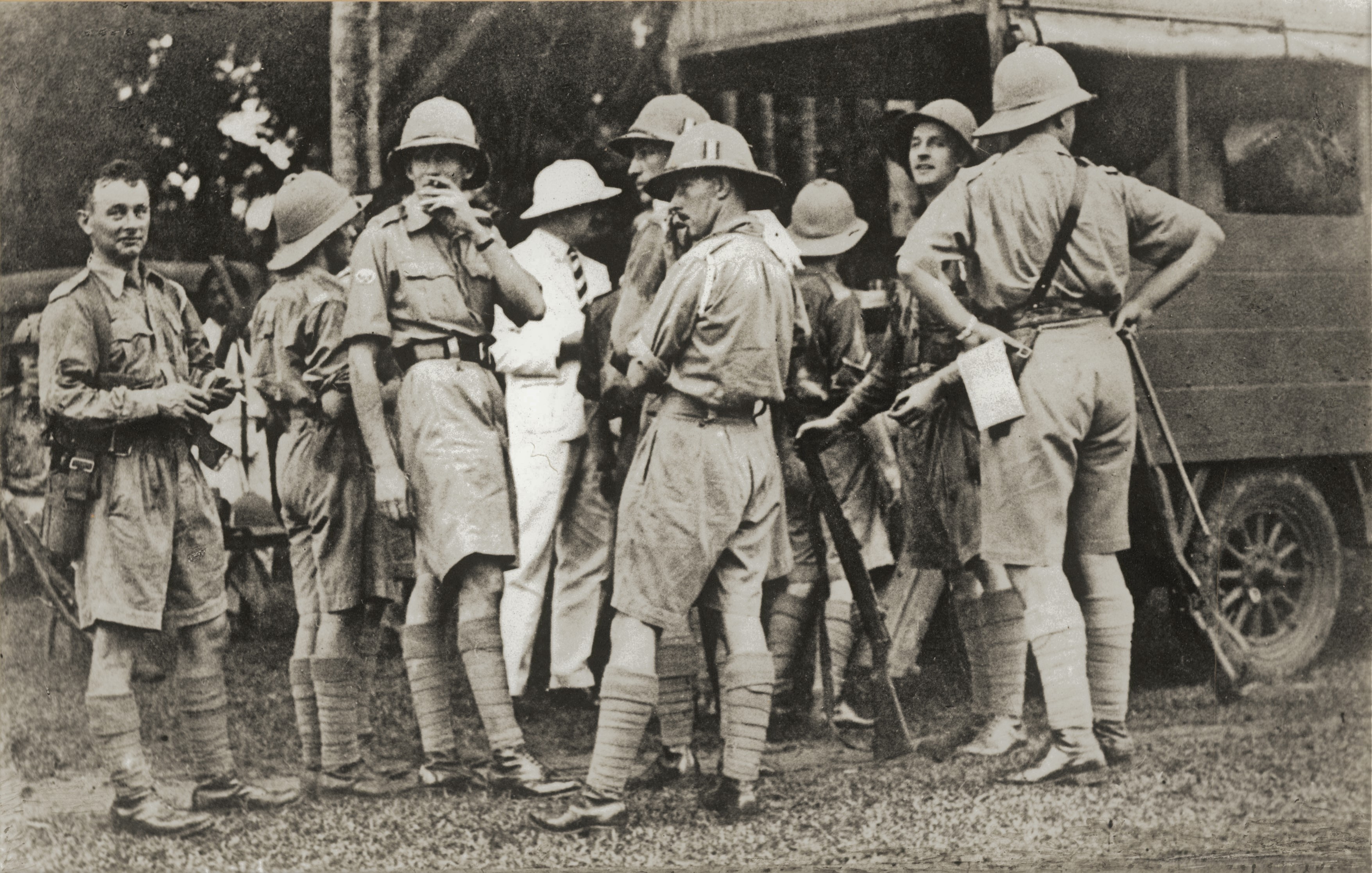
1935: Malcolm Cup Rifle Meet
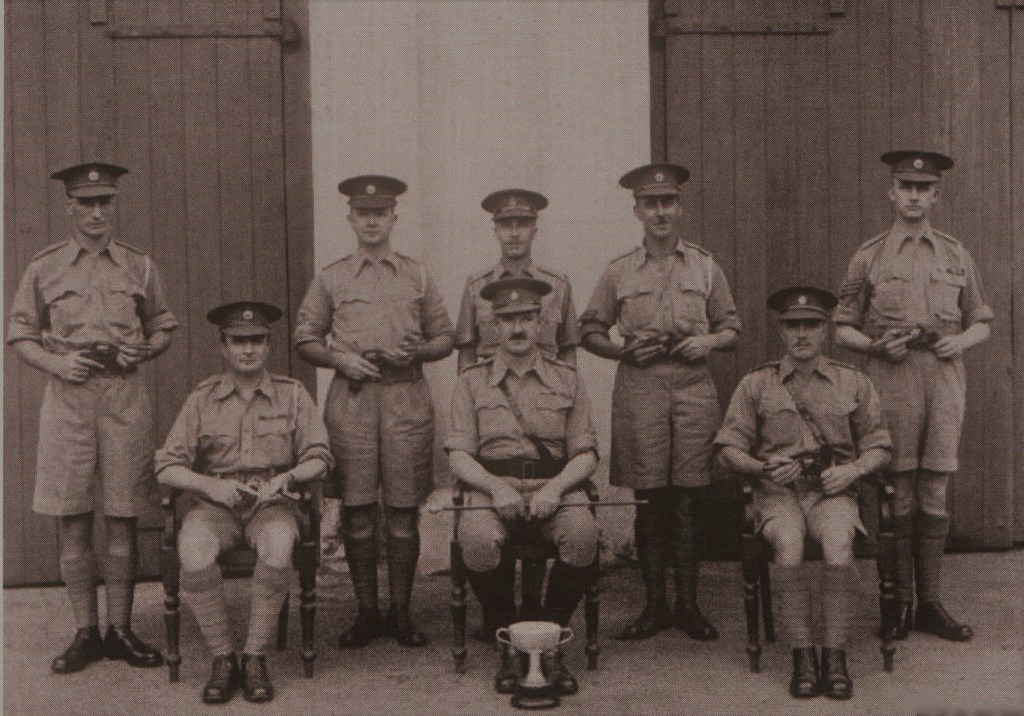
1935: Death of TTR Robb
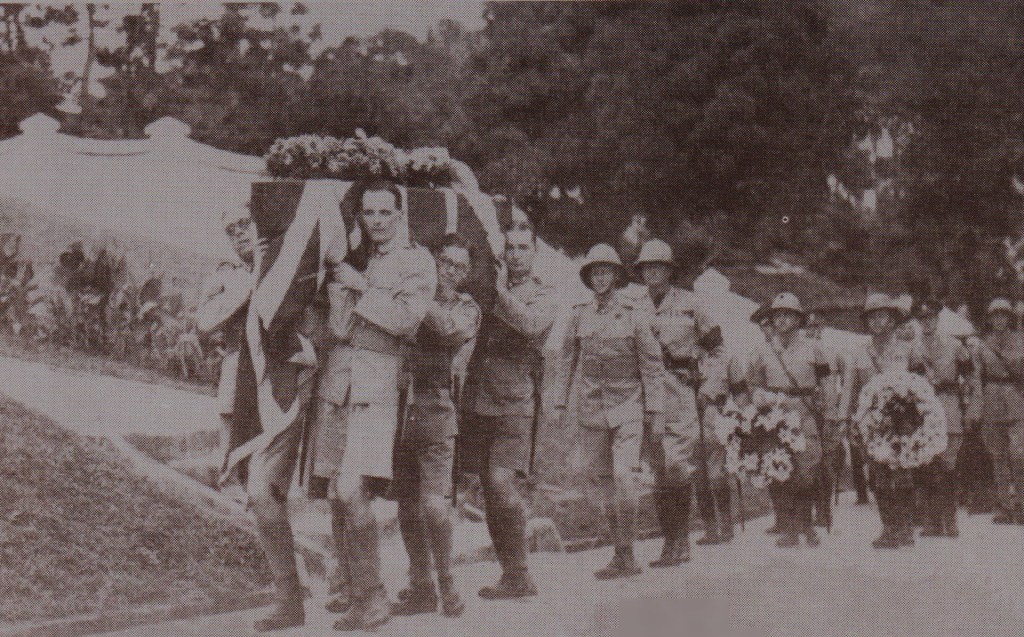
1935: King’s Birthday Parade, Kandy
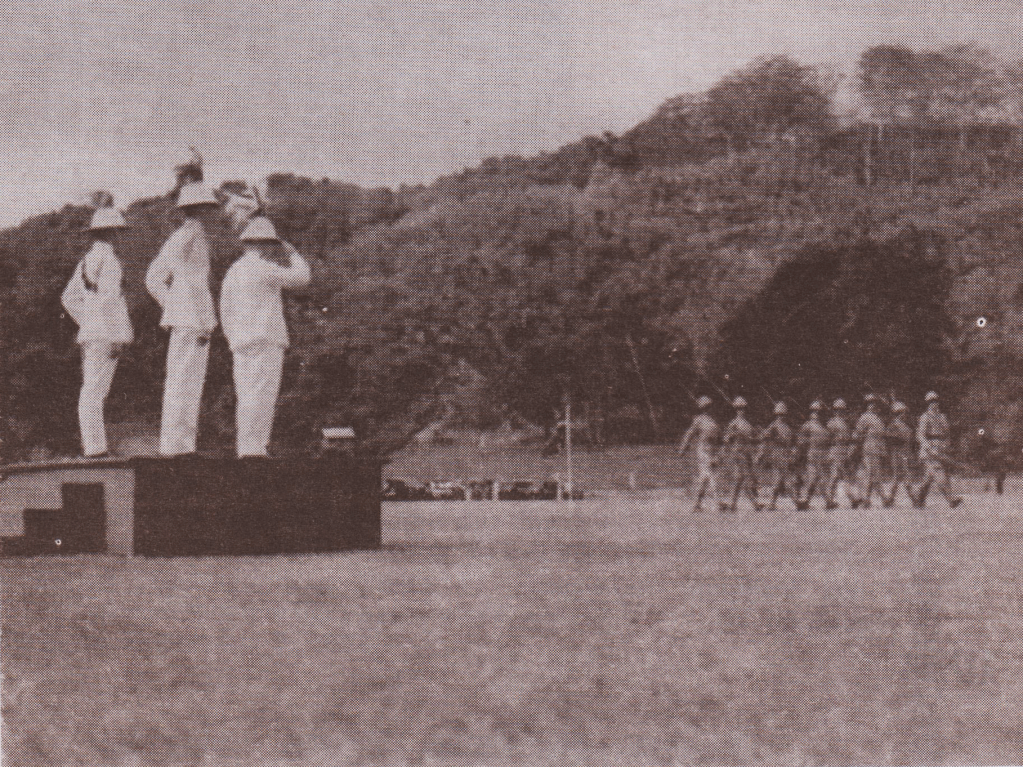
August 11, 1935: Hunupitiya Range AWTC
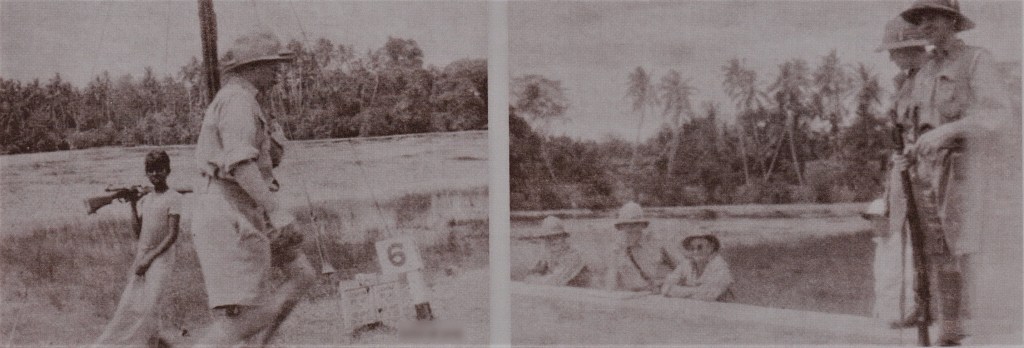
1935: Diyatalawa
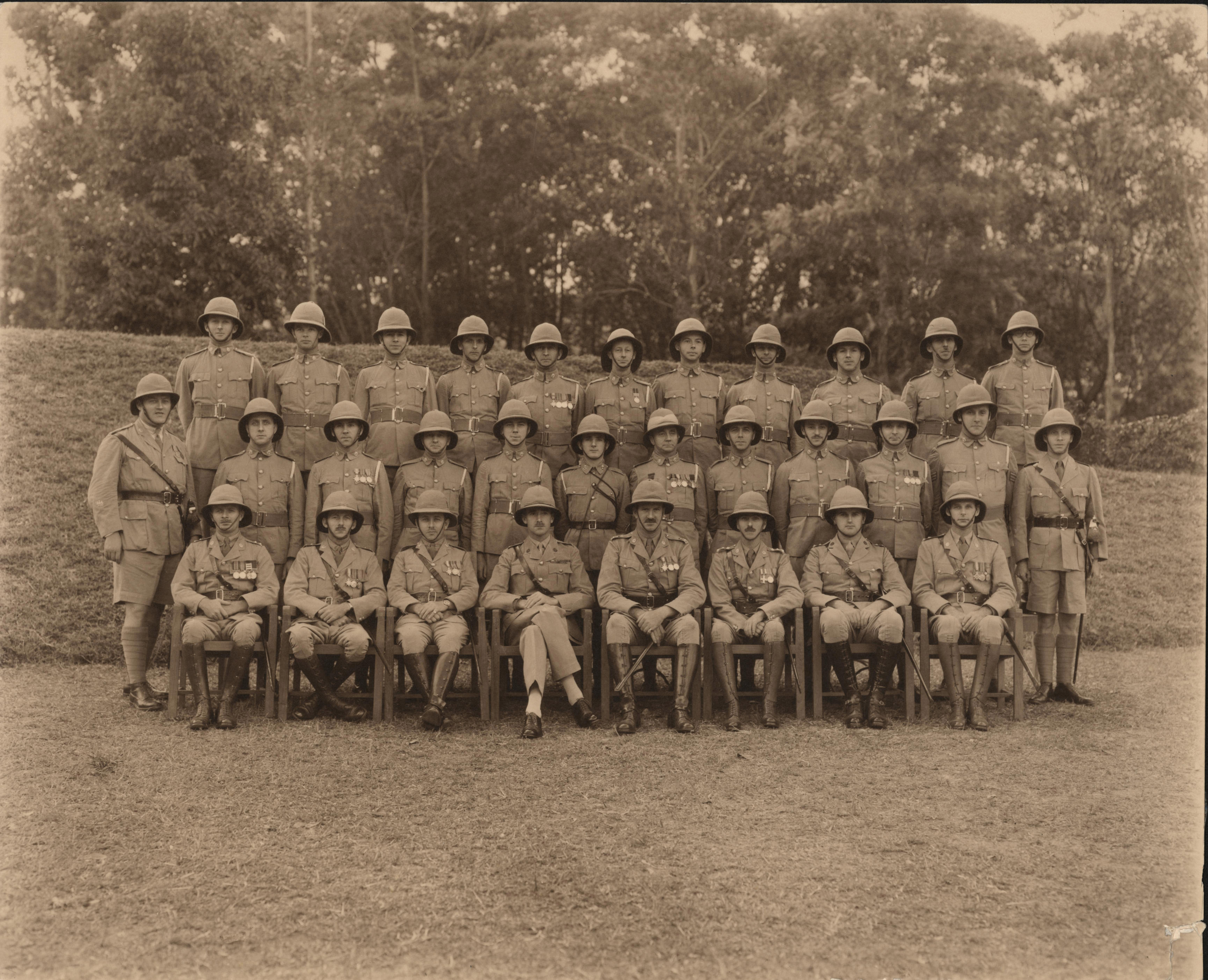

1936: Death of King George V
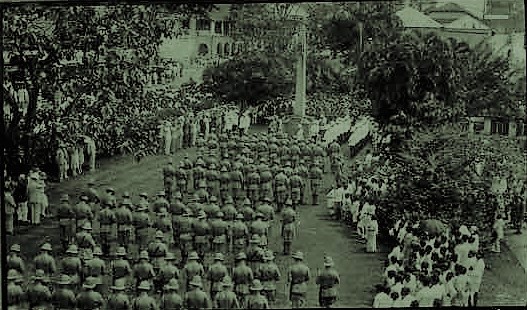
Kandy for King George V
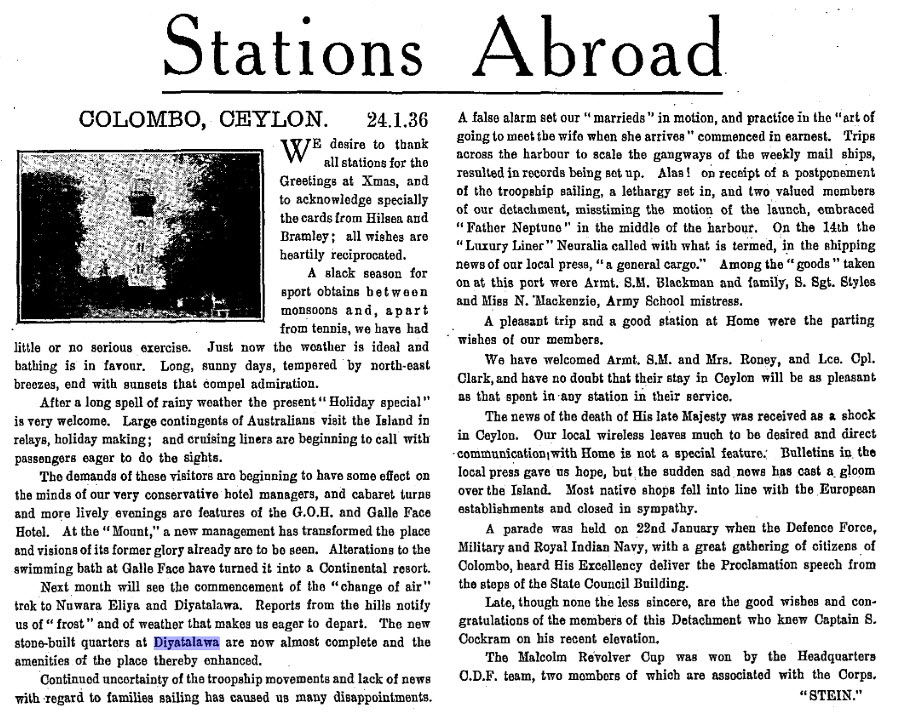
1937: CO’s Letter to Col. Commandant of RASC
THE JOURNAL OF THE ROYAL ARMY SERVICE CORPS 1937 SEPTEMBER
The following letter has been received by the Representative Colonel Commandant in reply to his Corps Week letter of greeting to the Ceylon A.S.C.
HEADQUARTERS, CEYLON ARMY SERVICE CORPS,
SLAVE ISLAND
COLOMBO.
DEAR GENERAL SIR REGINALD FORD,
The Ceylon Army Service Corps very highly appreciates the cordial greetings and good wishes which on behalf of their parent Corps, you so very kindly conveyed to me on the termination of the Ninth Royal Army Service Corps Week on the 30th of May.
We, in Ceylon, take a special pride in feeling that the relationship between the Royal Army Service Corps and ourselves is probably a much more personal one than in the case of other Allied Corps, as so many of our members have received countless kindnesses from the Royal Army Service Corps during their visits to Aldershot and other stations of the Corps.
On behalf of the Ceylon Army Service Corps I thank you for your exceedingly kind message. We heartily reciprocate your good wishes, and we wish you, personally, the very best of good fortune the years to come.
Yours sincerely,
C. Dane. Lanktree, Lieut-Col. (Bt. Col.)
Commanding Ceylon Army Service Corps
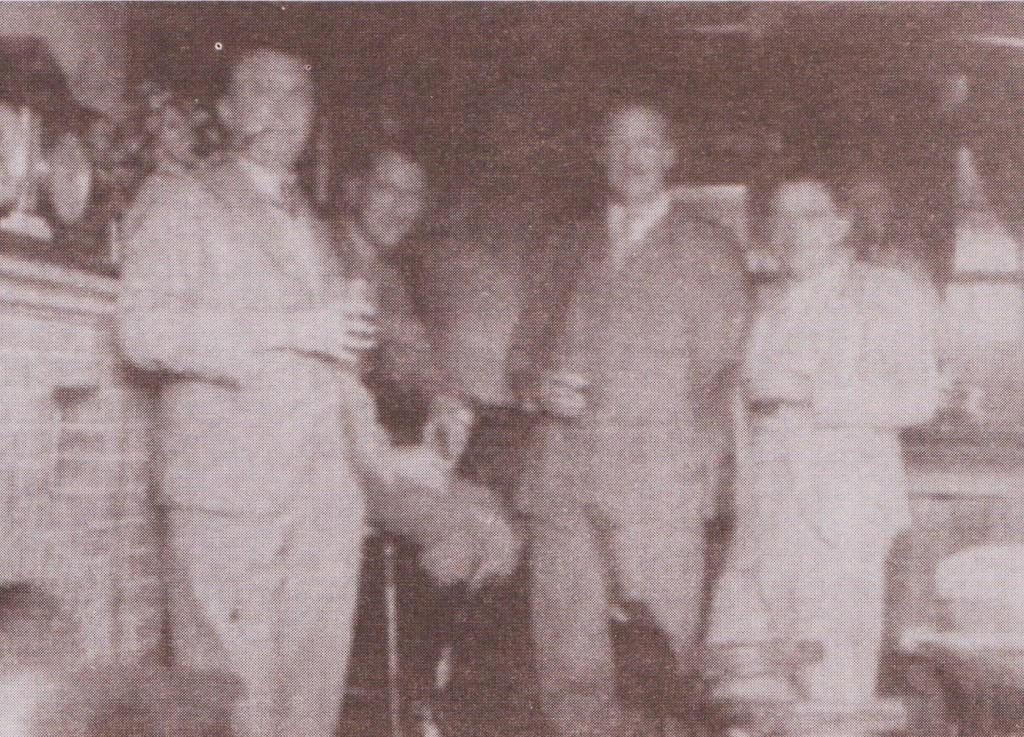
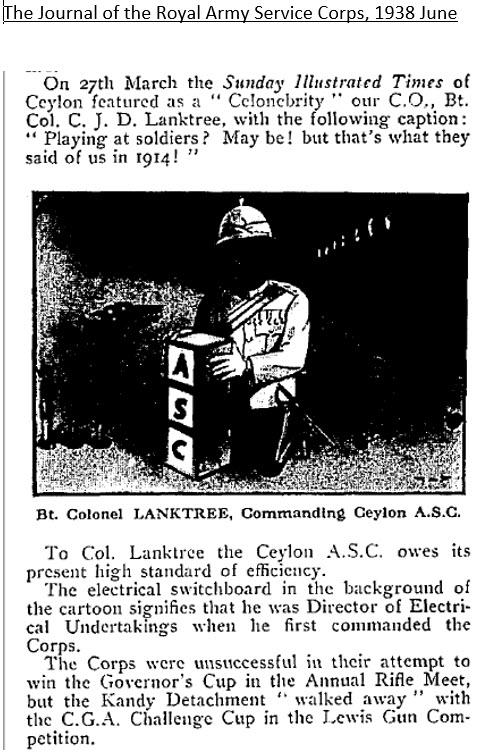
1938: A Snapshot in Time
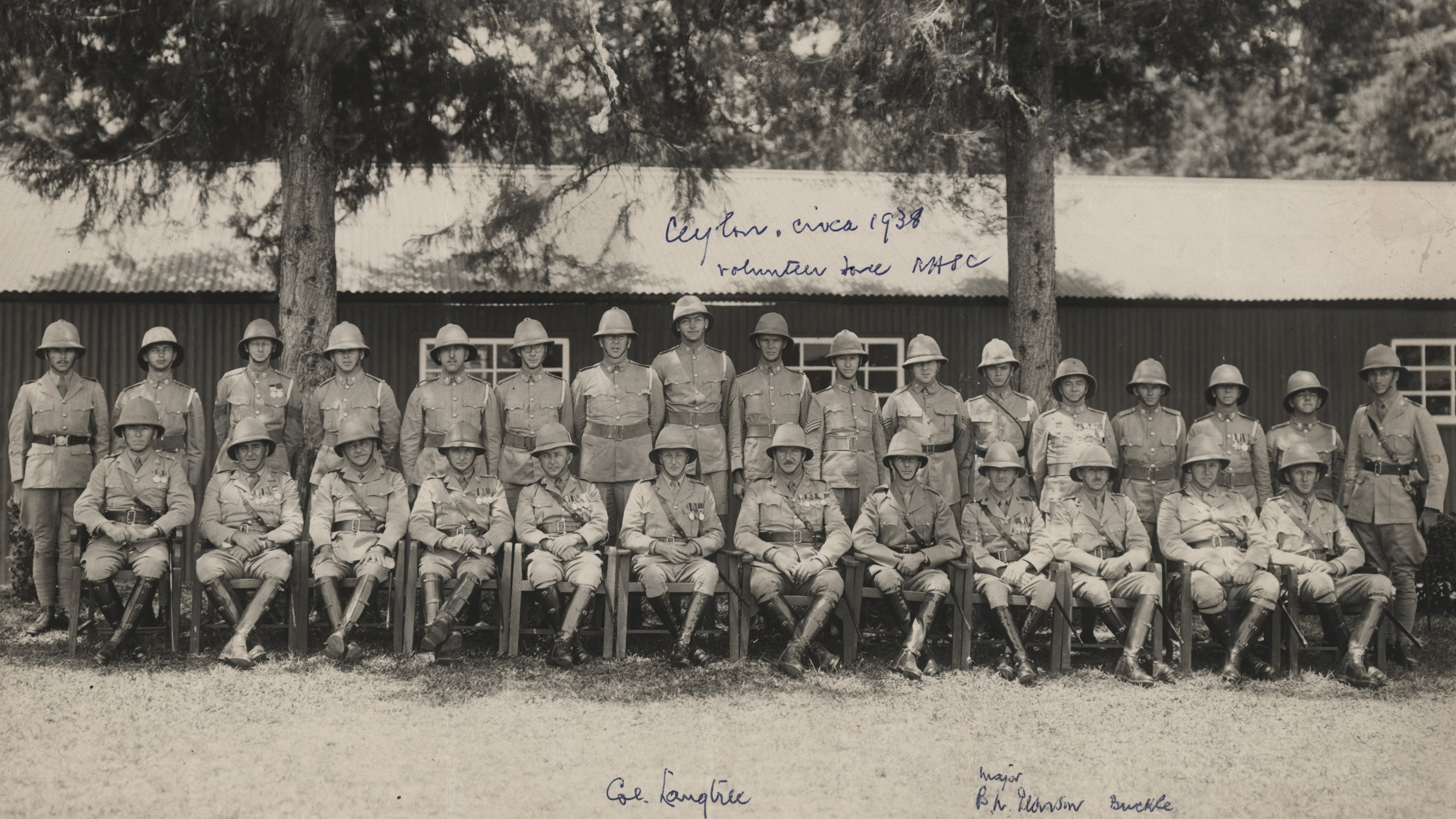

1938: Governor’s Cup and Other
Additional Resources
- Organisational Structure of the British Garrison in Ceylon
https://drive.google.com/open?id=1bUZq-BnLvbGlXd7MDj8gpkOP3yASPvq_
- Composition of the Ceylon Defence Force Part 1
https://drive.google.com/open?id=164rxtplZaQriybN-wGM-mJqHC0bhRhyc
- Composition of Ceylon Defence Force Part 2
https://drive.google.com/open?id=1mnfUpq-IYD1FE6N3DZBY8vmUaEOOgIH-
- Composition of Ceylon Defence Force Part 3
https://drive.google.com/open?id=1PMDdufnrljKjB-p3viIS6dxUPfnPr0t6
 Sri Lanka Army Service Corps - CSC - ශ්රී ලංකා යුධ හමුදා සේවා බලකාය